
Introduction
In today’s fast-evolving commercial landscape, energy efficiency is no longer optional—it’s a necessity. Businesses are constantly looking for ways to reduce operational costs while maintaining a comfortable indoor environment for employees and customers. One of the biggest contributors to energy consumption in commercial buildings is the HVAC system.
Modern commercial HVAC systems play a crucial role in regulating temperature, airflow, and indoor air quality. However, outdated or inefficient systems can significantly increase energy bills and reduce overall performance. This is where energy-saving HVAC solutions come into play.
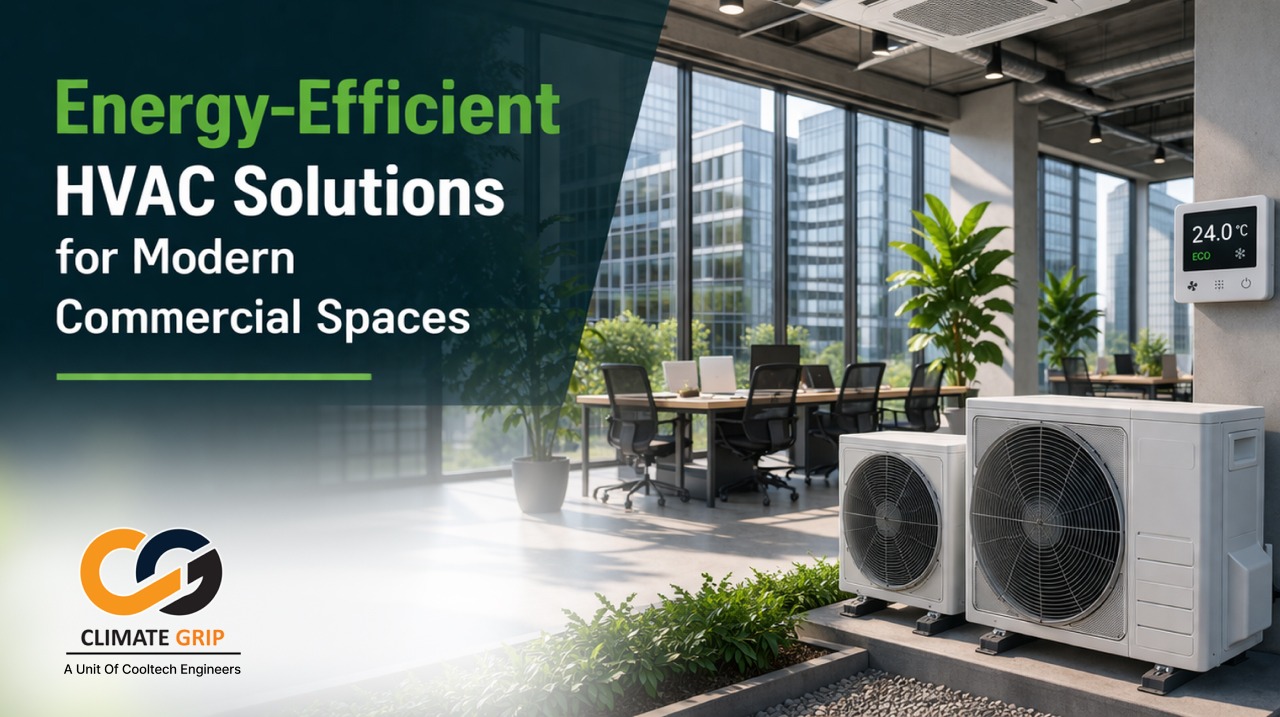
By investing in energy-efficient HVAC solutions for modern commercial spaces, businesses can reduce energy consumption, improve system performance, and create a more sustainable environment.
Why Energy Efficiency Matters in Commercial HVAC
Commercial buildings consume a large amount of energy, and HVAC systems account for a significant portion of that usage. Inefficient systems not only increase operational costs but also contribute to environmental issues.
Rising Energy Costs
Energy prices are continuously increasing, making it essential for businesses to optimize their energy usage. Poorly maintained or outdated commercial HVAC systems can lead to excessive energy consumption.
Operational Efficiency
Improving commercial HVAC energy efficiency helps businesses reduce unnecessary expenses and improve system performance.
Environmental Responsibility
Energy-efficient systems reduce carbon emissions, helping businesses meet sustainability goals and regulatory requirements.
Employee Comfort and Productivity
A well-functioning HVAC system ensures consistent temperature and better indoor air quality, which directly impacts productivity and comfort.
What Are Energy-Efficient HVAC Solutions?
Energy-saving HVAC solutions are designed to minimize energy consumption while maintaining optimal indoor conditions. These solutions combine advanced technology, smart controls, and efficient components to deliver better performance.
Key Characteristics
Reduced energy consumption
Smart automation and controls
Improved airflow and ventilation
Enhanced system reliability
Modern vs Traditional Systems
Unlike traditional setups, modern commercial HVAC systems are built with energy efficiency in mind. They use advanced technologies such as variable speed drives, smart thermostats, and energy recovery systems to optimize performance.
Key Features of Modern Commercial HVAC Systems
1. Smart Thermostats and Controls
Smart thermostats allow businesses to monitor and control temperature settings in real time. These systems adjust automatically based on occupancy and usage patterns, reducing energy waste.
2. Variable Speed Technology
Modern HVAC systems use variable-speed motors that adjust according to demand. This reduces unnecessary energy usage and improves overall efficiency.
3. Advanced Air Handling and Ventilation
Efficient air handling units (AHUs) ensure proper airflow and ventilation, improving indoor air quality and comfort levels.
4. Energy Recovery Systems
Energy recovery systems capture energy from exhaust air and reuse it within the system, significantly reducing energy consumption.
Benefits of Energy-Saving HVAC Solutions for Commercial Spaces
Implementing energy-saving HVAC solutions offers multiple advantages for businesses.
1. Lower Energy Bills
Efficient systems consume less power, leading to noticeable cost savings.
2. Improved Comfort
Consistent temperature control ensures a comfortable environment for employees and customers.
3. Longer Equipment Lifespan
Reduced strain on components increases the lifespan of HVAC equipment.
4. Reduced Maintenance Costs
Efficient systems require fewer repairs and less frequent maintenance.
5. Sustainability
Upgrading your HVAC system supports environmental goals and reduces your carbon footprint.
For businesses planning an HVAC upgrade for commercial spaces, these benefits make the investment highly worthwhile.
Signs It’s Time for an HVAC Upgrade for Commercial Spaces
Recognizing the right time to upgrade your system is essential for maintaining efficiency.
1. Increasing Energy Bills
A sudden spike in energy costs often indicates inefficiency in your HVAC system.
2. Uneven Heating or Cooling
Inconsistent temperatures across spaces suggest poor system performance.
3. Frequent Repairs
If your system requires constant repairs, it may be more cost-effective to upgrade.
4. Outdated Equipment
Older systems lack the advanced features found in modern commercial HVAC systems.
5. Poor Indoor Air Quality
Dust, humidity issues, or stale air indicate the need for improved ventilation and filtration.
Best Energy-Efficient HVAC Options for Modern Commercial Buildings
There are several high-performance HVAC options available for commercial spaces:
High-Efficiency Rooftop Units
These units are compact, energy-efficient, and ideal for large commercial buildings.
VRF/VRV Systems
Variable Refrigerant Flow systems provide precise temperature control and energy savings.
Energy-Efficient Air Handling Units
Advanced AHUs improve airflow and reduce energy consumption.
Zoned HVAC Systems
Zoning allows different areas to be controlled independently, reducing energy waste.
Smart HVAC Systems
Integration with building automation systems enhances monitoring and control.
How to Improve Commercial HVAC Energy Efficiency
Even without a full system replacement, businesses can improve efficiency with the following steps:
1. Regular Maintenance
Routine servicing ensures optimal performance and prevents energy loss.
2. Upgrade Key Components
Replacing outdated parts with energy-efficient alternatives can improve system performance.
3. Install Automation Systems
Smart controls help optimize energy usage based on real-time conditions.
4. Improve Insulation
Proper insulation reduces heat loss and improves HVAC efficiency.
5. Monitor Energy Usage
Tracking energy consumption helps identify areas for improvement.
Focusing on commercial HVAC energy efficiency can significantly reduce operational costs over time.
Choosing the Right HVAC Solution for Your Commercial Space
Selecting the right HVAC system requires careful consideration:
1. Building Size and Layout
Different systems are suited for different types of commercial spaces.
2. Energy Goals
Define your efficiency targets and sustainability objectives.
3. Budget
Consider both initial investment and long-term savings.
4. Scalability
Choose systems that can adapt to future expansion.
5. Professional Guidance
Working with experienced HVAC providers ensures proper system selection and installation.
Why Professional Installation and Maintenance Matter
Even the most advanced HVAC system will underperform if not installed correctly.
Proper System Sizing
Incorrect sizing leads to inefficiency and higher energy costs.
Expert Installation
Professional installation ensures optimal performance and reliability.
Preventive Maintenance
Regular servicing keeps the system running efficiently and extends its lifespan.
Reduced Downtime
Professional support minimizes disruptions to business operations.
Conclusion
Energy efficiency is a key factor in modern commercial operations, and HVAC systems play a major role in achieving it. Investing in energy-efficient HVAC solutions for modern commercial spaces not only reduces energy costs but also improves comfort, sustainability, and system performance.
Upgrading outdated systems, adopting modern commercial HVAC systems, and focusing on commercial HVAC energy efficiency can provide long-term benefits for any business. Whether you are planning a new installation or considering an HVAC upgrade for commercial spaces, the right approach can significantly enhance your building’s efficiency and value.
For businesses looking to stay competitive and environmentally responsible, energy-efficient HVAC solutions are the way forward.