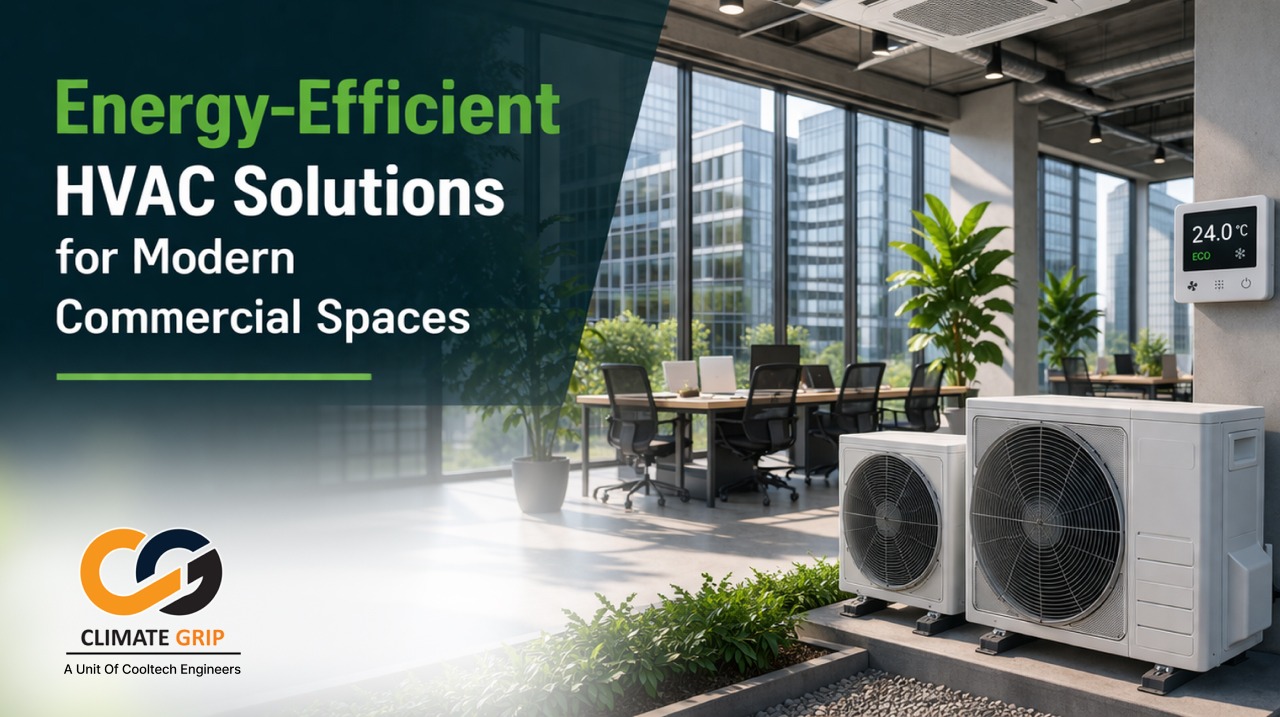
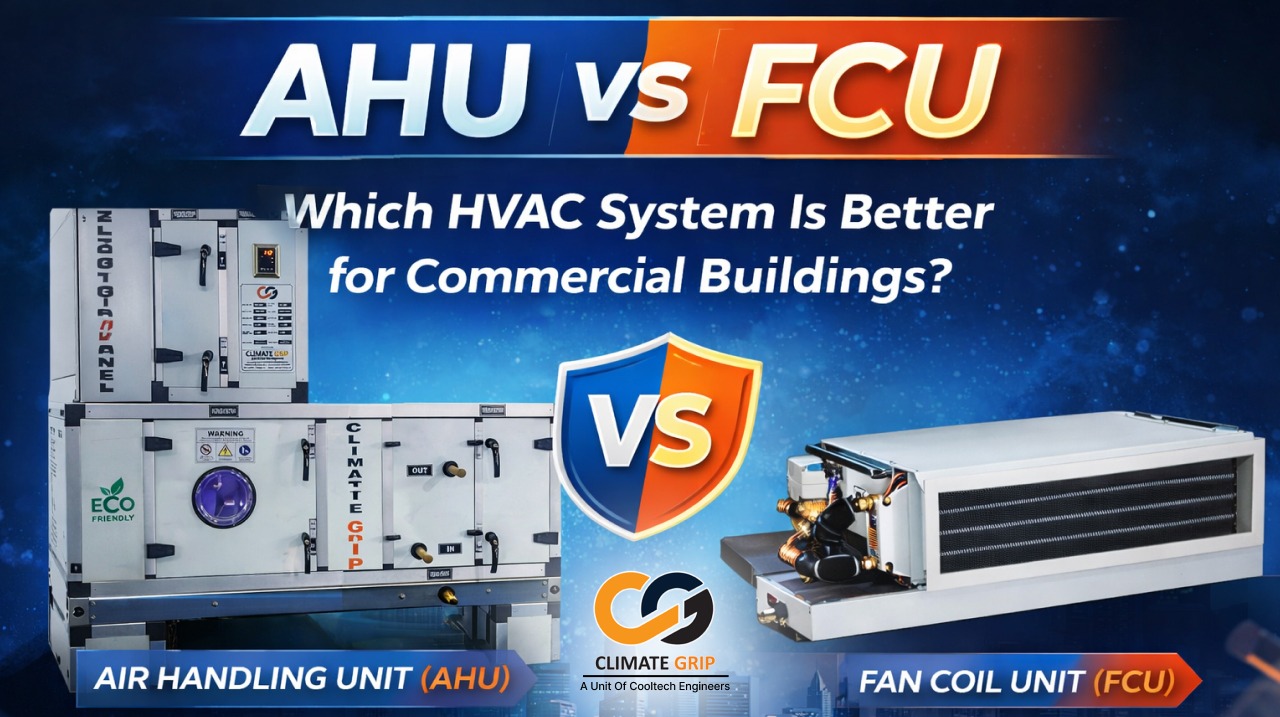
Maintaining a healthy and comfortable indoor environment is crucial for any commercial building. Poor indoor air quality can lead to health issues, decreased productivity, and higher operational costs. One of the most effective ways to improve air quality in commercial spaces is through an Air Handling Unit (AHU) system. In this blog, we’ll explore how AHU systems enhance indoor air quality, their benefits, maintenance tips, and how to choose the right unit for your building.
What is an AHU System?
An Air Handling Unit (AHU) is a critical component of any commercial HVAC system. It is responsible for circulating, filtering, and conditioning air throughout a building. AHUs are designed to manage large volumes of air, ensuring that indoor spaces remain comfortable and healthy for occupants.
AHU systems draw in fresh outdoor air, filter it, and distribute it through ductwork to various rooms. Some units are equipped with heating and cooling coils, humidifiers, and other devices to regulate temperature and humidity. This makes AHUs essential for maintaining indoor air quality, especially in commercial buildings where large groups of people gather.
Key Components of an AHU:
- Fans for air circulation
- Filters for dust and pollutants
- Heating and cooling coils
- Dampers for air control
- Humidifiers or dehumidifiers
How AHU Systems Improve Indoor Air Quality
The primary role of an AHU is to maintain a clean and safe indoor environment. Here’s how AHU systems improve indoor air quality in commercial buildings:
1. Air Filtration
AHU systems come with high-efficiency filters that remove dust, allergens, and other airborne particles from the air. These filters prevent contaminants from spreading throughout the building, reducing respiratory issues and improving overall health for employees and visitors.
2. Ventilation
Proper ventilation is critical for preventing the buildup of pollutants, such as carbon dioxide, VOCs, and odours. AHU systems continuously circulate fresh outdoor air into commercial spaces while expelling stale indoor air. This process not only enhances comfort but also reduces the risk of airborne illnesses.
3. Humidity Control
Excess humidity can lead to mould growth, while dry air can cause discomfort and respiratory problems. Modern AHU systems are equipped with humidifiers and dehumidifiers to maintain optimal indoor humidity levels. This ensures a healthier indoor environment and protects building interiors from moisture-related damage.
4. Temperature Regulation
AHU systems are often integrated with heating and cooling elements. Maintaining the correct temperature helps reduce stress on occupants and improves productivity, while also supporting air quality by preventing conditions conducive to mould and bacterial growth.
Energy Efficiency and Cost Savings
Investing in a well-maintained AHU system not only improves air quality but also enhances energy efficiency and reduces costs. Modern AHU systems are designed to optimize airflow, minimize energy consumption, and reduce operating costs. Energy-efficient fans, variable-speed motors, and intelligent control systems ensure the AHU consumes only the energy needed to maintain optimal air quality.
Businesses that prioritize HVAC maintenance and invest in energy-efficient AHU systems often see reduced utility bills and a smaller environmental footprint.
Maintenance Tips for AHU Systems
Regular maintenance is key to ensuring that your AHU system continues to perform optimally. Here are some important tips for AHU system maintenance in commercial buildings:
- Replace Filters Regularly: Dirty filters reduce airflow and decrease indoor air quality. Replace or clean filters according to the manufacturer’s recommendations.
- Inspect Coils and Fans: Check for dust accumulation, corrosion, and mechanical issues—clean and repair components as needed.
- Monitor Humidity Levels: Ensure humidifiers and dehumidifiers are functioning correctly to maintain healthy indoor humidity.
- Check Air Dampers and Controls: Proper airflow and temperature control depend on well-functioning dampers and automated systems.
- Schedule Professional Servicing: Annual professional inspections can help detect issues early and prolong the life of your AHU system.
Proper maintenance not only ensures cleaner air but also improves the efficiency and lifespan of your AHU system.
Choosing the Right AHU for Your Building
Selecting the right AHU system depends on several factors, including the size of your commercial space, the number of occupants, and the required air quality level. Here are some considerations when choosing an AHU:
- Building Size and Layout: Larger buildings require more powerful AHU systems capable of handling higher air volumes.
- Type of Commercial Space: Office buildings, hospitals, and factories have different air quality needs. Choose a system that matches your specific requirements.
- Energy Efficiency: Look for AHU systems with energy-saving features such as variable-speed fans and heat recovery.
- Air Quality Standards: Ensure the AHU meets local and international air quality standards, including HEPA or MERV-rated filtration if necessary.
- Maintenance and Accessibility: Choose a system that is easy to maintain and allows for quick filter replacements and coil cleaning.
Investing in the right AHU system ensures a healthier indoor environment, reduces energy costs, and improves occupant comfort.
Conclusion
Maintaining excellent indoor air quality is essential for the health, comfort, and productivity of occupants in commercial buildings. AHU systems play a vital role in ensuring clean, well-ventilated, and temperature-controlled indoor environments. From air filtration and ventilation to humidity control and energy efficiency, AHU systems provide comprehensive solutions for modern commercial spaces.
By choosing the right AHU system and following proper maintenance practices, businesses can enjoy better indoor air quality, lower operating costs, and a safer environment for everyone.
Upgrade your commercial AHU system today to ensure Upgrade your commercial AHU system today to ensure cleaner, healthier indoor air for your employees and visitors., healthier indoor air for your emplo