
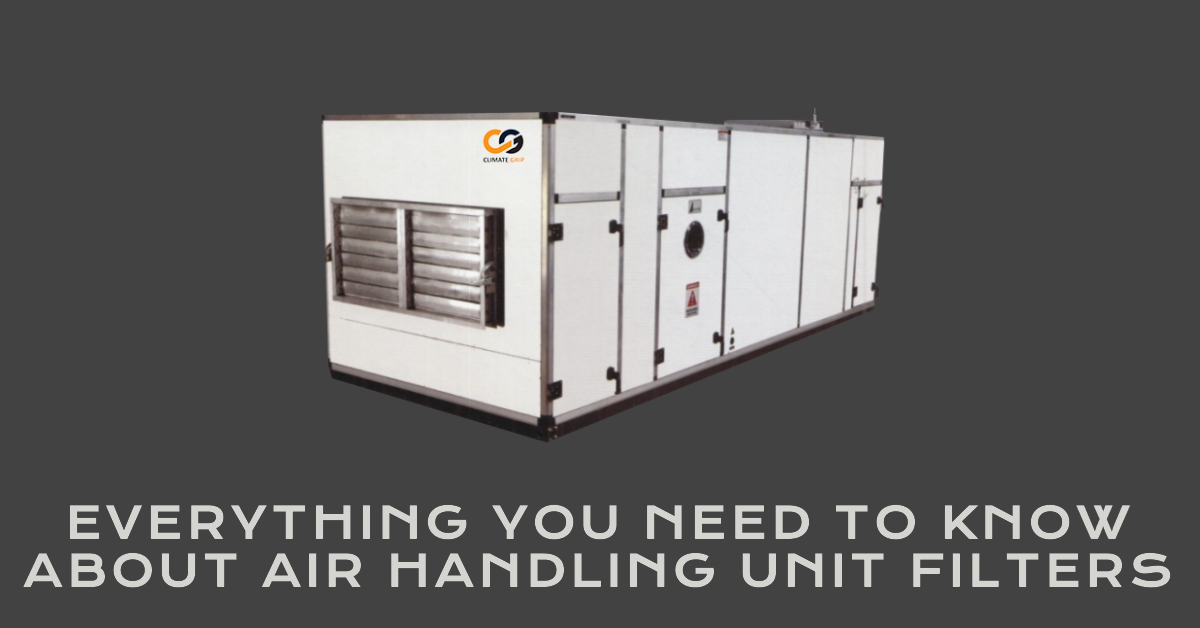
Filters for air handling units, often known as AHU filters, are crucial parts of HVAC systems. AHU filters collect and remove airborne pollutants and allergens from indoor and outdoor air. These filters guarantee that the air delivered to occupied places in a building is healthy, secure, and pleasant to breathe. AHU filters vary in type and design, each serving distinct functions and efficiency levels.
Types of Air Handling Unit Filters
There are several types of AHU filters, each designed to target specific contaminants and serve different purposes:
Panel Filters:
Panel filters are flat, rectangular filters made from materials like fiberglass or synthetic media. They are commonly used as pre-filters to capture larger particles, such as dust and pollen before air passes through more advanced filters.
Bag Filters:
Bag filters consist of a series of pockets made from synthetic or fiberglass media. They offer a greater surface area for efficient filtration of both large and small particles.
Pleated Filters:
Pleated filters feature accordion-like folds that increase the surface area for filtration. They effectively capture medium-sized particles, commonly used in commercial HVAC systems.
HEPA Filters:
HEPA filters are the industry standard in air filtration, with a 99.97% efficacy rate for capturing particles as small as 0.3 microns. They are vital in low-air-quality environments such as hospitals and laboratories.
Activated Carbon Filters:
Activated carbon filters excel at adsorbing odors, gases, and VOCs. They’re a go-to choice for enhancing indoor air quality in buildings by eliminating unpleasant smells and chemicals. What are the filters in AHU? & Their Types
Functions of Air Handling Unit Filters
Particle Filtration:
AHU filters serve an important function in catching and removing various airborne particles such as dust, pollen, pet dander, and mold spores. This critical function guarantees that pristine indoor air quality is maintained, contributing to healthier and more comfortable building environments.
Gas and Odor Removal:
Some AHU filters, such as activated carbon filters, are designed to adsorb gases and odors. They are particularly useful in environments where there are sources of unpleasant smells or chemical emissions.
Microbial Control:
Certain filters are treated with antimicrobial agents or designed to inhibit microbial growth. These filters help prevent the spread of bacteria, viruses, and mold within HVAC systems.
Importance of Air Handling Unit Filters
Improved Indoor Air Quality:
AHU filters are crucial for maintaining good indoor air quality (IAQ). Clean, filtered air can reduce allergens, respiratory irritants, and the transmission of airborne illnesses.
Energy Efficiency:
Filters that capture particles can also help HVAC systems operate more efficiently. Reduced dust and debris buildup in the system’s components can lead to lower energy consumption and maintenance costs.
Equipment Protection:
Filters prevent particles from accumulating on sensitive HVAC components like coils and fans. This protection extends the lifespan of the equipment and reduces the frequency of repairs.
Filter Maintenance
Regular Inspection:
It’s essential to inspect filters regularly to ensure they are functioning correctly. Visual inspections can reveal whether filters are clogged or damaged and need replacement.
Scheduled Replacement:
Filters have a finite lifespan and require replacement according to a maintenance schedule. The frequency of replacement depends on factors like filter type, environmental conditions, and system usage.
Proper Disposal:
When replacing filters, proper disposal is crucial, especially for filters treated with antimicrobial agents. Follow local regulations for disposing of used filters.
Selecting the Right Filter
Understanding MERV Ratings:
The Minimum Efficiency Reporting Value (MERV) is a rating system that classifies filters based on their efficiency at capturing particles. Higher MERV ratings indicate better filtration. Select a filter with a MERV rating appropriate for your building’s needs.
Considerations for Specific Environments:
Different environments may require specialized filters. For example, healthcare facilities might need HEPA filters to control the spread of pathogens, while industrial settings may require heavy-duty filters to capture large particles.
Installation and Replacement
Proper Installation:
Install filters correctly in the AHU system by following manufacturer instructions and airflow direction indicators. Proper installation ensures that air passes through the filter before entering the building.
Replacement Frequency:
Follow a regular schedule for filter replacement to maintain optimal performance. Factors like filter type, usage, and environmental conditions can affect replacement intervals.
How Climate Grip Enhances AHU Filter Management
Climate Grip offers advanced solutions to optimize the performance and management of air handling unit (AHU) filters, elevating the efficiency and effectiveness of HVAC systems. Here’s how Climate Grip can be instrumental in ensuring the functionality of AHU filters:
Real-time Filter Monitoring:
Climate Grip integrates sophisticated sensors and monitoring systems into HVAC setups, including AHU filters. These sensors continuously measure air quality parameters, including filter effectiveness. Real-time data on filter performance provides the capability for proactive maintenance and replacement.
Predictive Maintenance:
Through continuous monitoring, Climate Grip’s technology can predict when AHU filters are approaching the end of their service life. This predictive capability allows for timely filter replacement, preventing filter inefficiency and maintaining optimal indoor air quality.
Dynamic Fan Control:
Real-time filter data complements Climate Grip’s intelligent fan control systems. The system adapts fan speeds and airflow when filters clog or lose efficiency. It reduces energy consumption while ensuring the AHU system compensates for filter degradation.
Remote Monitoring and Alerts:
Climate Grip’s remote monitoring capabilities allow facility managers to access filter data from anywhere. Alerts are sent upon detecting filter issues, enabling immediate corrective action, reducing downtime, and preventing IAQ issues.
Customized Filter Selection:
Climate Grip can assist in selecting the Right AHU filters based on real-time air quality data and specific environmental requirements. It aligns filters with Specific building needs, like better indoor air quality, odor removal, or microbial control.
Energy Efficiency Enhancement:
Climate Grip enhances HVAC efficiency through optimal AHU filter maintenance. Reduced filter clogs and timely replacements mean less strain on the HVAC system, resulting in lower energy consumption and operational costs.
Sustainability Alignment:
Climate Grip’s commitment to sustainability perfectly complements AHU filter management. By optimizing filter performance and extending their lifespan, Climate Grip reduces the environmental impact associated with filter disposal and manufacturing.
Conclusion:
HVAC and indoor air quality rely on AHU filters. AHU filters come in diverse types to meet various filtration needs and protect against airborne pollutants effectively. For them to function at their best, proper upkeep, routine inspections, and adherence to disposal rules are crucial. In line with modern needs for energy economy and clean indoor air, Climate Grip’s integration improves AHU filter management through real-time monitoring, predictive maintenance, and dynamic control. Through this agreement, AHU filters will be able to create interior spaces that are cleaner, safer, and more comfortable while using less energy and having a smaller negative impact on the environment.