In modern commercial buildings, maintaining a comfortable and healthy indoor environment is not a luxury—it is a necessity. Offices, shopping malls, hospitals, hotels, and industrial facilities all rely heavily on efficient Heating, Ventilation, and Air Conditioning (HVAC) systems to ensure occupant comfort, productivity, and safety. At the core of many large-scale HVAC installations lies the Air Handling Unit (AHU), a critical component of centralized air conditioning systems.
This blog explores the role, components, working principles, and advantages of HVAC AHU systems in commercial buildings, helping building owners, engineers, and facility managers understand why AHUs are essential to modern infrastructure.
Introduction to HVAC AHU Systems
An HVAC system is responsible for regulating temperature, humidity, and indoor air quality. In commercial environments, where occupancy levels are high and indoor conditions must remain stable, HVAC systems are typically centralized rather than decentralized.
The Air Handling Unit (AHU) plays a central role in these systems. It conditions and circulates air throughout the building, ensuring that indoor spaces receive clean, properly cooled or heated air. A well-designed AHU system improves thermal comfort, enhances indoor air quality, and contributes significantly to energy efficiency.
What Is an Air Handling Unit (AHU)?
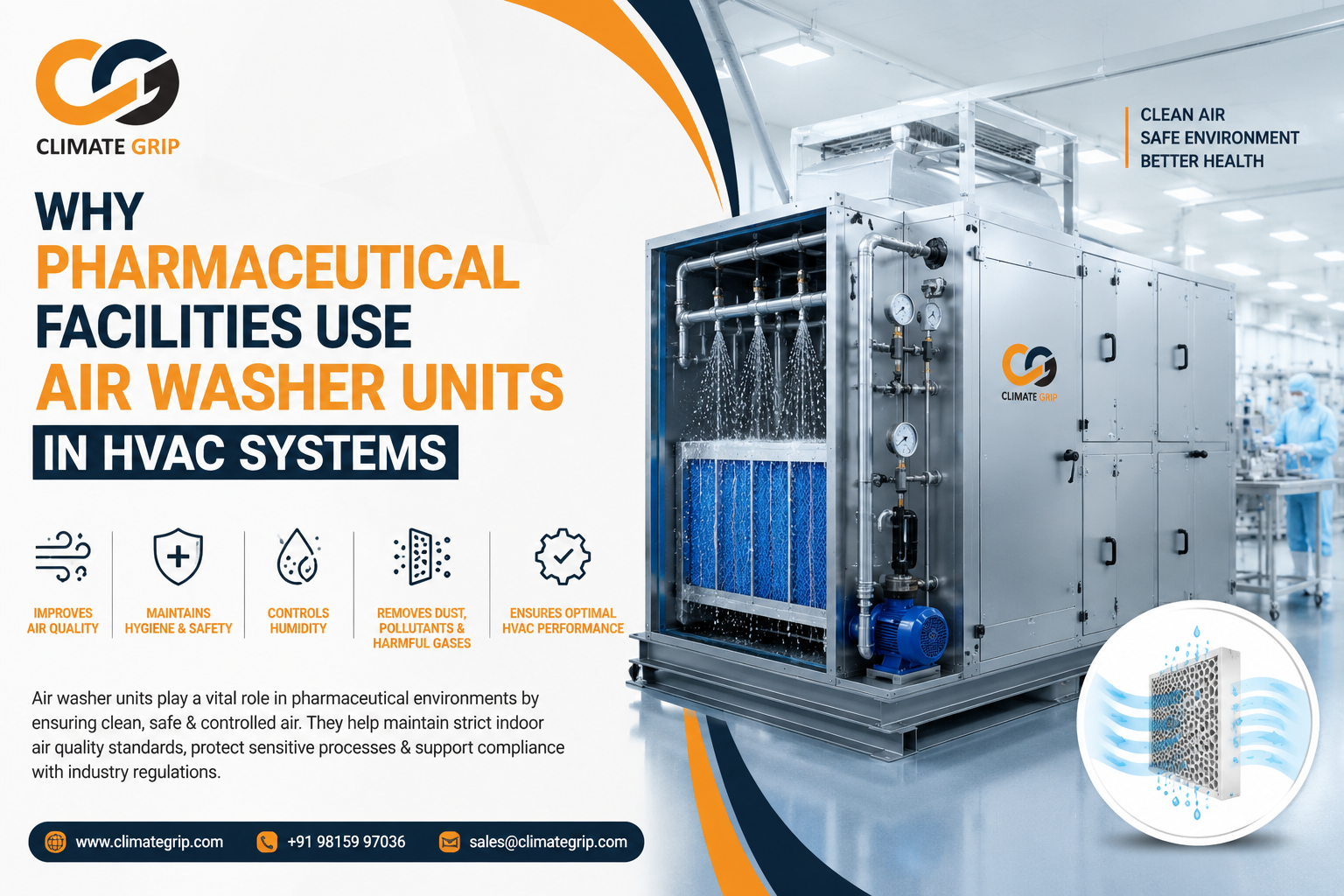
An Air Handling Unit (AHU) is a key piece of HVAC equipment that conditions and distributes air within a centralized air conditioning system. It draws in air—either fresh air from outside or return air from indoor spaces—filters it, adjusts its temperature and humidity, and supplies it to different zones through ductwork.
Unlike standalone air conditioners or split systems, AHUs are typically custom-designed to suit specific building requirements. They are commonly installed in mechanical rooms, rooftops, or basements and are connected to chillers, boilers, or heat pumps for temperature control.
In commercial HVAC applications, AHUs offer greater control, scalability, and efficiency than decentralized systems.
Importance of HVAC AHU Systems in Commercial Buildings
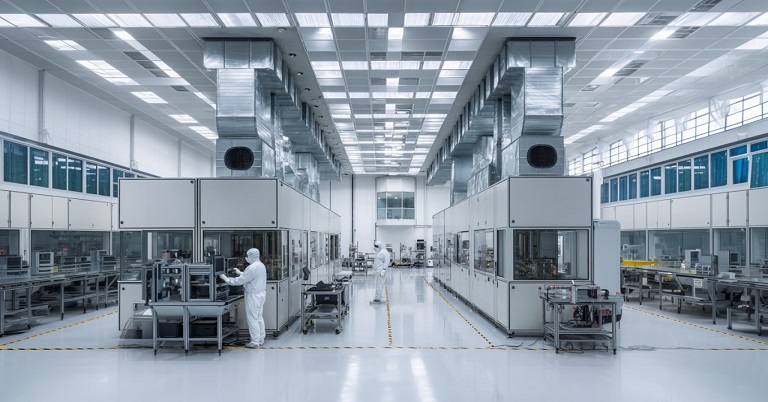
Commercial buildings have complex HVAC demands due to large floor areas, varying occupancy levels, and strict indoor air quality requirements. HVAC AHU systems effectively address these challenges.
Key reasons AHUs are essential:
- Consistent Indoor Comfort: AHUs maintain uniform temperature and humidity across large spaces.
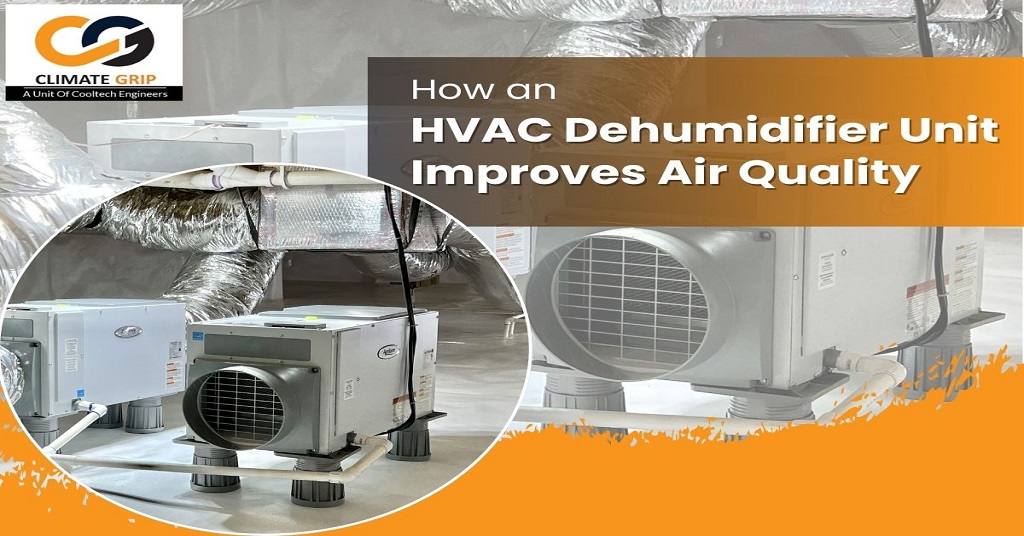
- Improved Indoor Air Quality (IAQ): Continuous air filtration and fresh air intake reduce pollutants and odors.
- Energy Efficiency: Centralized systems optimize energy use compared to multiple independent units.
- Regulatory Compliance: Many commercial buildings must meet ventilation and IAQ standards, and AHUs effectively support these requirements.
From corporate offices to healthcare facilities, AHUs ensure reliable and controlled air distribution.
Key Components of an AHU System
Understanding AHU components is crucial for appreciating how the system functions efficiently.
1. Fresh Air and Return Air Section
Fresh air is drawn from outside, while return air is recirculated from occupied spaces. Dampers regulate the mixing ratio to maintain air quality and energy efficiency.
2. Filters : Filters remove dust, pollen, and airborne contaminants. Common types include:
- Pre-filters
- Fine filters
- High-quality filtration is vital for maintaining indoor air quality in commercial buildings.
3. Cooling Coil & Heating Coil
The cooling coil lowers air temperature using chilled water or refrigerant, while the heating coil raises the temperature using hot water, steam, or electric heating. These coils are essential for precise thermal control.
4. Fans and Motors
Supply and return fans move conditioned air through the ductwork. Efficient fan selection reduces energy consumption and noise levels.
5. Dampers and Louvers
Dampers control airflow and pressure, while louvers protect the unit from rain and debris.
6. Drain Pan and Condensate System
This component collects and removes condensation formed during cooling, preventing water leakage and microbial growth.
Working Principle of HVAC AHU System
The working principle of an HVAC AHU system is straightforward but highly effective:
- Air is drawn into the AHU through fresh air and return air intakes.
- The air passes through filters to remove dust and contaminants.
- The filtered air flows across the cooling and heating coils, where the temperature is adjusted.
- Conditioned air is pushed into the ductwork by fans.
- Air is evenly distributed to the various zones within the commercial building.
This continuous process ensures stable indoor conditions regardless of external weather changes.
Centralized Air Conditioning with AHU
In centralized air conditioning systems, AHUs work alongside chillers and boilers to efficiently serve large buildings. Instead of multiple individual air conditioners, a centralized system handles cooling and heating.
Benefits of centralized systems include:
- Better load management
- Reduced maintenance complexity
- Lower operational costs over time
- Improved control over large spaces
AHUs make centralized air conditioning practical and scalable for commercial use.
Advantages of Commercial HVAC AHU Systems
Installing an AHU-based HVAC system offers several long-term advantages:
- Enhanced Comfort: Stable temperature and humidity control
- Better Air Quality: Continuous filtration and ventilation
- Scalability: Easy expansion for future building modifications
- Operational Efficiency: Lower energy use compared to multiple split units
- Centralized Control: Integration with Building Management Systems (BMS)
These benefits make AHUs the preferred choice for commercial HVAC solutions.
Energy Efficiency & Sustainable HVAC Design
Energy efficiency is a critical concern in modern commercial buildings. AHUs contribute to sustainable HVAC design by enabling:
- Use of high-efficiency cooling and heating coils
- Integration with Variable Frequency Drives (VFDs)
- Optimized airflow control
- Reduced energy losses through proper insulation and sealing
Well-designed AHU systems help buildings comply with energy standards and green building certifications.
Operation and Maintenance of AHU Systems
Regular operation and maintenance are essential for long-term performance.
Key maintenance activities include:
- Filter inspection and replacement
- Cleaning of cooling and heating coils
- Fan and motor inspection
- Drain pan cleaning
- System performance monitoring
Proper maintenance improves efficiency, extends equipment life, and ensures consistent indoor air quality.
Choosing the Right AHU for a Commercial Building
Selecting the correct AHU depends on several factors:
- Airflow capacity requirements
- Cooling and heating loads
- Building size and layout
- Energy efficiency goals
- Space availability
Professional HVAC design and consultation are essential to ensure optimal AHU selection for commercial applications.
Conclusion
The HVAC AHU system for commercial buildings is a cornerstone of modern indoor climate control. By combining efficient air handling, temperature regulation, and ventilation, AHUs deliver superior comfort, air quality, and energy performance.
Whether for offices, hospitals, shopping centers, or industrial facilities, a well-designed Air Handling Unit (AHU) ensures reliable operation and long-term cost savings. Investing in the right AHU system is not just about comfort—it’s about efficiency, sustainability, and building performance.
For expert guidance and customized HVAC solutions, ClimateGrip provides professional AHU design, installation, and maintenance services tailored to commercial building needs.